JMLSG Part I revisions. What the September 2026 changes mean for compliance teams?
The UK anti-money laundering landscape continues to evolve, and firms should take note of the latest updates from the Joint …
Insight

Refers to an organization’s duty to adhere to specific regulations, rules and policies that they are subject to by law. The relevant legislation is then enforced by established regulators to ensure businesses follow the standards, codes and guidelines that are required of them.
Internally, this refers to the actual processes that an organization puts in place to ensure they comply with the law.
Non-compliance is a real danger to your business. To state the obvious, it’s expensive. That means eyewatering fines and financial penalties which can have extremely serious, possibly fatal, consequences for any business.
The repercussions of non-compliance, however, stretch much further than the bank account. It can inflict disastrous reputational damage, with a subsequent life-sapping loss of clientele and severe dents to valuation. Even losses of licenses.
Yes – it’s important to remember that with non-compliance comes serious and obvious financial repercussions. Yet it is also clear that this fear-based rhetoric is failing to spur universal action regulated organizations.
The problem with viewing compliance as a corporate burden that is just there to avoid obvious regulatory pitfalls is that the focus on compliance becomes narrow and one dimensional.
This attitude derails efficient compliance as activities can lack clear focus. Activities become isolated and lack purposeful links to broader risk management strategies.
Moreover, viewing something as a ‘chore’ fosters resentment and lack of interest. This uninterest married with a sense of overriding fear means that thousands of firms are struggling to translate regulatory requirements into managed, practical, beneficial action.
We at Veriphy think the one-dimensional view of regulatory compliance as simply avoiding punishment is failing businesses. Compliance should be – in fact must be – more than just a fear-based exercise in box ticking conformity. If businesses are failing to comply, then society is at greater risk from threats such as money laundering – which costs the UK economy at least £40bn per annum and enables and represents criminal activities which are themselves responsible for great social harm.
Peter Drucker “There is only one definition of business purpose: to create a customer.”
We have found there are segmented differences in attitudes towards electronic KYC methods – with the young prioritizing real-time validation- speed over absolutes of security, and older customers preferring more familiar PC-based methods.
Whichever method you choose, without internal compliance policies and procedures your business will suffer from systems which are fragmented, promoting isolated activities with no clear objective or motivation. This inevitably results in delays in service and rigid and constrained business procedures.
A robust compliance and risk management procedure not only allows but forces firms to consider the user first.
Whilst compliance regulations are of course a legal obligation, they are in turn a way to improve customer experience, build trust with users and increase and build a positive brand reputation.
For example:
Streamlined onboarding processes which collects personal information responsibly at the consent of the client builds trust.
A speedy verification process will satisfy the digitally inclined customers’ expectations want for services instantaneously. Moreover, the fast onboarding of prospective customers decreases the chances of ‘drop-offs,’ which improves the onboarding experience and builds a positive image of the brand.
Compliance allows for enhanced organizational structures and interfaces which can closely align to the needs of today’s digitally minded customer.
Whilst digitalization of compliance procedures allows firms to organise, monitor and record information in ways that can improve operational functioning and improve security, it’s vital to appreciate everything from the client perspective.
Today, new and existing customers expect firms to work securely when collecting, handling and storing their data. They also expect frictionless & instant experiences at all stages of the customer journey. Compliance enables firms to satisfy these expectations. Get compliance right, it can act as a catalyst for superior customer experience and service which will ultimately improve customer retention rates and keep the competitors at bay.
AML legislation requires you to process personal data for KYC/CDD. GDPR requires you to responsibly handle this data via appropriate collection, handling and storage procedures.
These regulatory requirements, when adhered to, offer opportunities to optimize client onboarding procedures, improve the way your organization operates and identify opportunities for strategic growth by revealing key data.
Streamlined, digital onboarding and KYC allow two key things – t he ability to impress your client with your efficiency and commitment to quality and the ability to turn the K of KYC into meaningful, solid intelligence.
You can establish the certainty that investment of time and effort in your client will neither be wasted nor mistargeted, and ongoing due diligence will ensure that the relationship with your client is accurately perceived at all levels without your organization.
This means compliance can provide solid data foundations, with threats filtered and identities validated, so that competitive advantage follows naturally from its implementation and entrenchment.
In a similar way, the GPDR regulations ensure data is secure, fit for purpose and needed – all aspects of an efficient data regime.
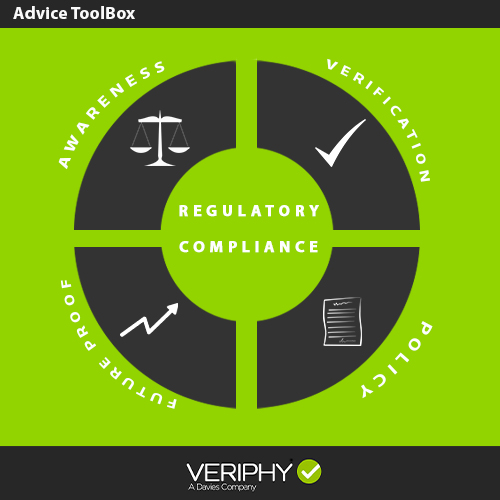
Make sure you know who your regulators are and the standards and codes your organization must abide by.
Also ensure that your staff is educated on these matters.
Your regulatory compliance procedures should not conflict but rather work in harmony.
Use KYC technology to ensure you know who you are doing business with.
Also ensure the personal information you collect; handle and store are kept secure and confidential.
Document your compliance internal policies and procedures in writing in order to satisfy any future compliance audit.
As your firm grows, ensure you have a resilient and flexible compliance plan.
Continually review your internal policies and procedures against existing and new legislation to ensure the security and safety of your business
Limitless Flexibility without a Contract

The UK anti-money laundering landscape continues to evolve, and firms should take note of the latest updates from the Joint …

Many organisations invest heavily in AML software, sanctions screening tools, compliance training and customer due diligence processes. Yet despite these …

Identity verification is the first line of defence against fraud, money laundering and financial crime. Yet despite advances in technology, …